


1–2 December 2025 | Addis Ababa, Ethiopia
The African Union Institute for Statistics (STATAFRIC), in collaboration with the African
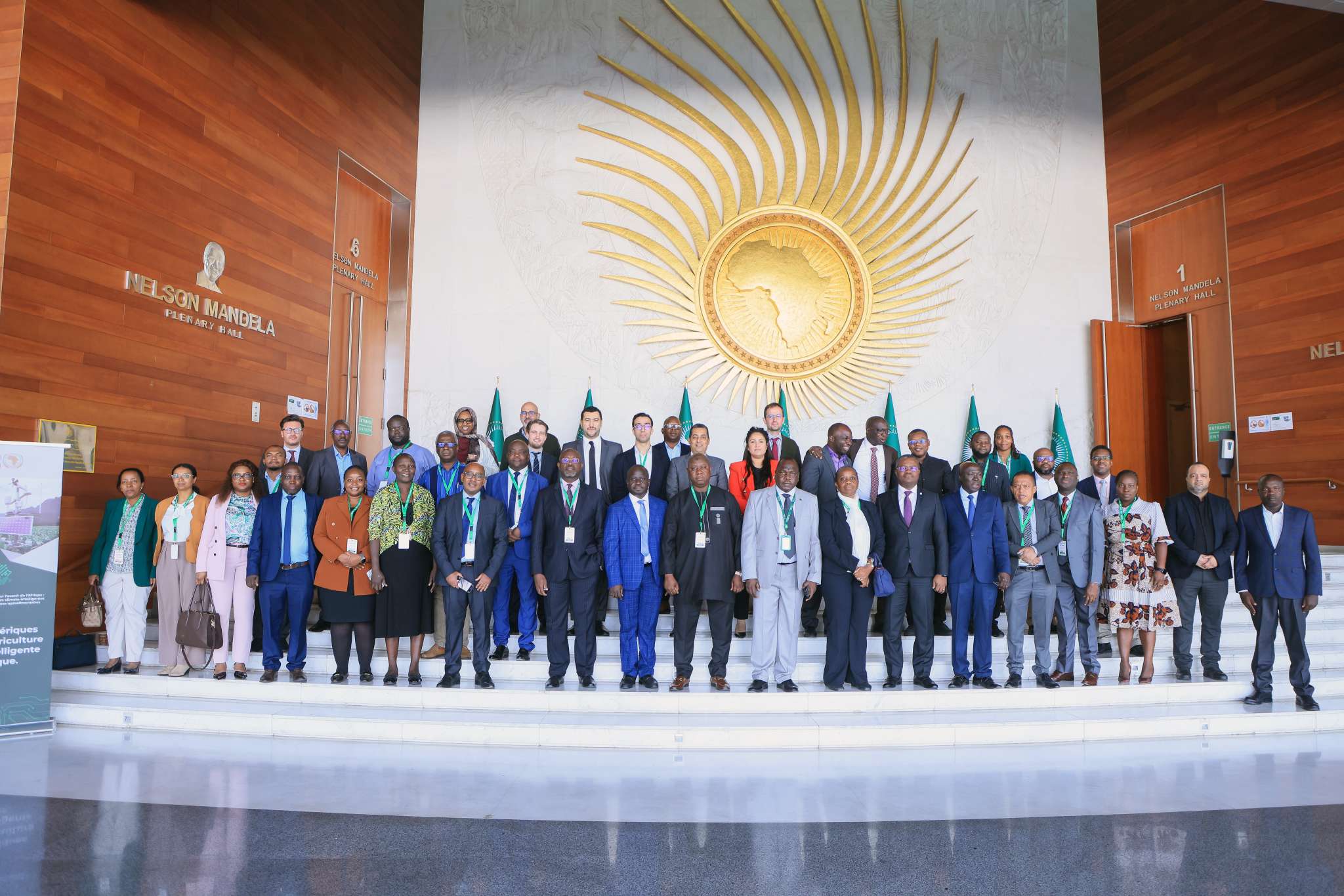
Development Bank (AfDB) and the United Nations Economic Commission for Africa (UNECA) successfully convened the 20th Session of the African Statistical Coordination Committee (ASCC) from 1–2 December 2025 at the African Union Headquarters in Addis Ababa, Ethiopia.
The meeting brought together key continental statistical stakeholders—including Pan-African Organizations, Regional Economic Communities (RECs), statistical training centres, AFRISTAT, and development partners—to strengthen coordination within the African Statistical System (AfSS) and advance the implementation of the Strategy for the Harmonization of Statistics in Africa (SHaSA 2).
Key Objectives of the 20th ASCC
The session focused on harmonization, coordination, and enhanced collaboration across Africa’s
statistical ecosystem. Discussions addressed:
- Progress on the 19th ASCC recommendations
- Status of the SHaSA 2 Executive Committee Report
- Presentation of the SHaSA 2 Mid-Term Review (MTR)
- Presentation of new statistical guidelines and technical tools developed by Pan-African Organizations
- Updates on the continental database and a presentation on the African Statistical Yearbook
- Improving coordination for Agenda 2063 and SDG monitoring
- Enhancing statistical support to fragile Member States
- Strengthening the capacities of Regional Economic Communities (RECs)
- Mobilizing financial resources for SHaSA 2 and future statistical priorities
Major Highlights and Discussions
SHaSA 2 Mid-Term Review
The MTR revealed a 63% implementation rate, while highlighting the need for improved funding, stronger stakeholder coordination, and accelerated operationalization of core structures such as PANSTAT. The meeting emphasized an inclusive approach in shaping SHaSA 3.
Continental Database & Data Sharing Initiatives
UNECA and AfDB presented updates on the Pan-African Continental Database and the Data Sharing Community, with a joint commitment to harmonized, interoperable, and Africa-owned data systems by 2026.
Guidelines on Migration & Displacement Statistics
STATAFRIC presented new guidelines aimed at improving comparability and harmonization of migration and displacement statistics across Member States.
Capacity Building for Agenda 2063/SDGs UNECA emphasized the need for better coordination between NSOs, sectoral ministries, and RECs —highlighting low reporting rates and persistent data gaps in Agenda 2063 monitoring.
Role of Statistical Training Institutions
Discussions highlighted the importance of harmonized curricula, digital learning tools, and accreditation systems to support Africa’s growing demand for advanced statistical skills.
Resolutions and Recommendations
The Committee endorsed a set of resolutions and recommendations designed to strengthen statistical coordination across the continent, including:
- Strengthening national statistical systems and aligning them with continental priorities
- Operationalizing all Specialized Technical Groups under SHaSA 2
- Establishing national focal points to improve coordination
- Ensuring cautious integration of population & housing censuses with agricultural censuses
- Enhancing REC engagement and capacity
- Institutionalizing coordination meetings among PAOs and development partners
- Increasing domestic funding for statistics through national budgets
- Endorsing outcomes from related side events, including support for the renewal of the Praia Group mandate (2026–2031)
- Advancing the Africa Migration Data Network through clear governance and harmonized Indicators
Conclusion
The 20th ASCC reaffirmed the commitment of STATAFRIC and its partners to build a coordinated, harmonized, and modern African Statistical System. The outcomes of the meeting will guide preparations for the 19th Session of the Committee of Directors General of National Statistics Offices (CoDGs).
STATAFRIC expresses its sincere appreciation to all Member States, RECs, partner institutions, and statistical training centres for their active engagement and continued commitment to Africa’s data-driven development.
Download the Full Report: